June 1, 2026
Week 1: If You Give A Mouse A Cookie by Laura Joffe Numeroff
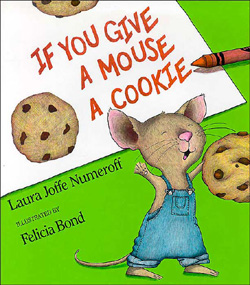
A book that I like that connects well with this week’s Social Emotional Learning theme is If Give a Mouse a Cookie by Laura Numeroff. The Story is funny and keeps you going from one thing to another after a mouse gets a cookie. I like how predictable the story became because students can start guessing what the mouse will ask for next. I think the story makes makes younger kids more engaged during read aloud time. Even though the book is simple and not one hundred percent related to the theme of Social and Emotional Learning it still has many things that relate to it. The book teaches important lessons about choices, patience and responsibly. As an elementary teacher, I could easily see students Laughing during this story while also learning from it.
This book connects well to social emotional learning because it shows how actions can affect other people. Every time the mouse ask for something new the boy continues trying to help him. Students can talk about how the mouse’s choice created more situations and how the boy stayed patient throughout the story. I think this is important for younger students becayse they are still learning self control, problem solving and how behavior affects others around them. I can say as a teacher that has worked with kids like kindergarteners, they do not understand how overwhelming they are sometimes when on kid ask for something then another one asks, then its just a cycle of back to back questions asking for things. It can cause frustration to the teacher or with each other as students at these ages don’t know to limit themselves when asking these questions. The story creates an easy and fun way to recognize and start conversations with the kids about emotions that they may bring with asking asking overwhelming amounts of questions and decision making in the classroom.
In my classroom I would like to use this book with the younger kids. Since I teach PE and would with a new set kindergarteners every year I could connect the story to making good choices, following directions, and understanding how chaotic and frustrating things can get when asking to many overwhelming questions back to back during games and activities. After reading I would probably have students watch a little play or funny skit that I can perform using examples of what questions are being asked during instructions or activities and our plan falling apart for the day. If the kids are older I can put them in groups to where they can put their own examples and skits of what they experienced in my class before or what could go wrong.
Week 1: Bridge to Terabithia by Katherine Paterson
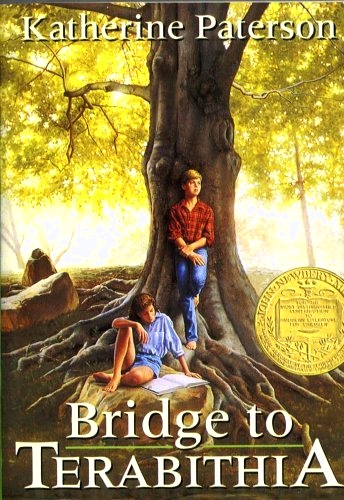
This is one adult book that I liked growing up, that connects with the Social and Emotional Learning. The story follows Jess and Leslie as they build a strong friendship and create an imaginary world called Terabethia.. While reading the book, I noticedhow much the characters relied on each other for support, encouragment and confidence. I liked the book a lot because it showed both happy moments and difficult emotions that students may experience in real life. Even though the book has emotional parts like loss of life, I think it teaches valuable lessons about friendship, empathy, and understanding each other.
This book strongly connects with Social Emotional Learning because the characters have to deal with emotions, relationships, and personal struggles. Jess starts out feeling insecure and misunderstood, but Leslie helps him become more confident and creative. Their friendship shows students the importance of kindness, trust and encouragement to others. I also think the book teaches students how to handle grief and difficult situations in healthy ways. These are important topics for students because many children experience emotions they may not always know how to express or manage.
In my opinion this book would be better for middle schoolers because I see it relating to them more but since I am in a elementary field I can definitely see this relating a lot to my 5th graders. I would use this book to help discuss with students about friendships and explain emotional growth. I see how important positive relationships and encouragement can be for student confidence. After reading the book in the class room I would have students discuss how Jess changes throughout the story and how Leslie positively influenced his life. I would also encourage students to reflect on how friendships can help people through challenges. I think the book creates meaningful conversations while helping students better understand empathy and emotional support.
Week 2: Diversity
June 5, 2026
Week 2: The Name Jar by Yangsook Choi
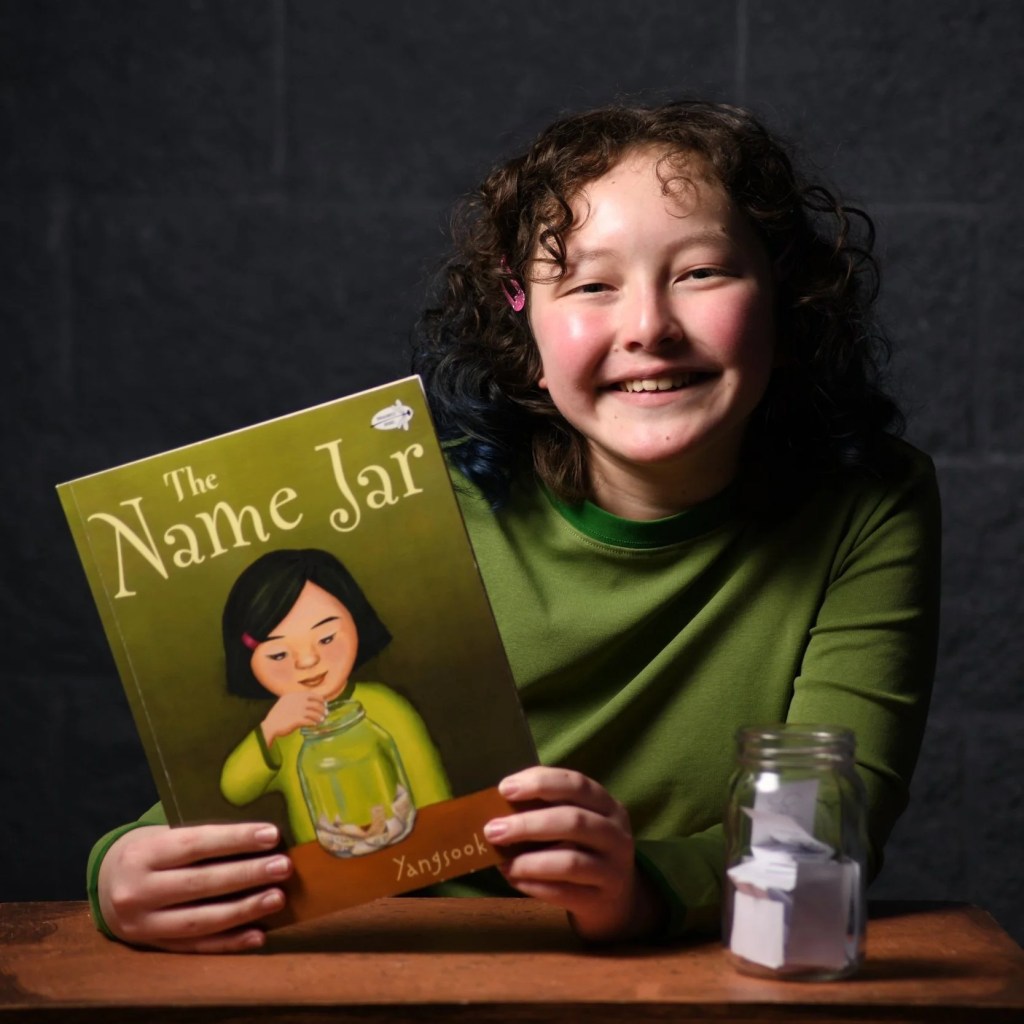
The Name Jar is about a girl named Unhei who moves from Korea to America and feels nervous about fitting in at her school. After some students have trouble pronouncing her name, she started thing about choosing and American name instead. Her classmates create a jar full of names for her to pick from, but by the end of the story her real name is an important part of who she is. I liked how the book focused on diversity and identity because it showed how important it is for people to feel accepted while still being proud of their culture and background.
While reading the story, I kept thinking about how students who may feel different or uncomfortable when starting at a new school. I think this book does a great job showing how small acts of kindness can make someone feel welcome. It also reminded me that students should never feel pressured to change who they are just to fit in with others. I liked that Unhei slowly became more confident in herself throughout the story. As a teacher, I think books like this are important because they help students understand empathy and respect for different cultures.
I would use The Name Jar in elementary classroom during a lesson about diversity and classroom community. One activity I would do is let students talk about the meaning or history behind their own names if they wanted to share. I think that would help students learn more about each other and build respect within the classroom. I would also use this book to start conversations about kindness and making new students feel included. Since some students may not be familiar with Korean culture I probably go into the history and explain where some of the culture or traditions come from.
June 6, 2026
Week 2: New Kid by Jerry Craft
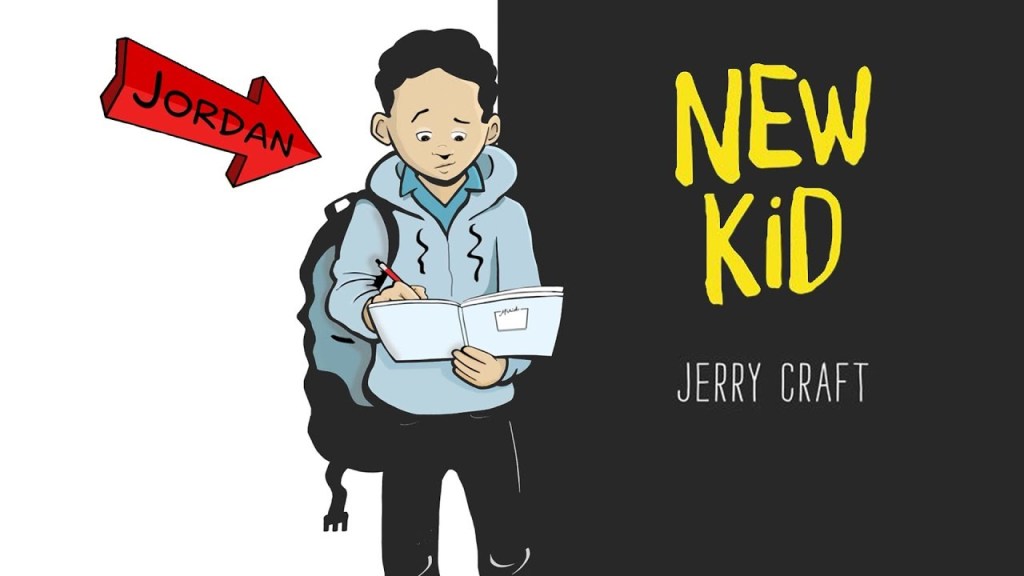
New Kid by Jerry Craft is about a boy named Jordan Banks who starts attending a new private school Where he feels different from many other students. Jordan enjoys drawing and wants to attend an art school, But instead he deals with challenges involving race, friendships, and trying to find where he belongs. I liked how the graphic novel showed realistic situations that many students experience when they feel left out or misunderstood at school.
This book connects well with the diversity theme because it shows how students from different backgrounds can have different experiences in the same classroom. While reading I noticed how Jordan felt pressure to act a certain way in order to fit in with others. I think many students can relate to feeling uncomfortable in new situations or feeling like they do not completely belong. One thing I liked about this book was that it used humor and illustrations while still discussing serious topics and identity, stereotypes, and acceptance.
I think New Kid would be good for upper elementary or middle school. This can be used as a lesson with diversity, empathy and relationships between students. Since the book is a graphic novel I think it would keep the kids engaged, especially with reluctant readers who may not enjoy traditional novels. One classroom activity I would use is having students reflect on a time they felt new or left out and discuss ways classmates can help others feel included. I also think this book could lead to conversation about stereotypes and how teachers can create classrooms where every student feels accepted and valued.
Week 3: Boys and Books
June 15, 2026
Week 3: Marcus Makes a Movie by Kevin Hart
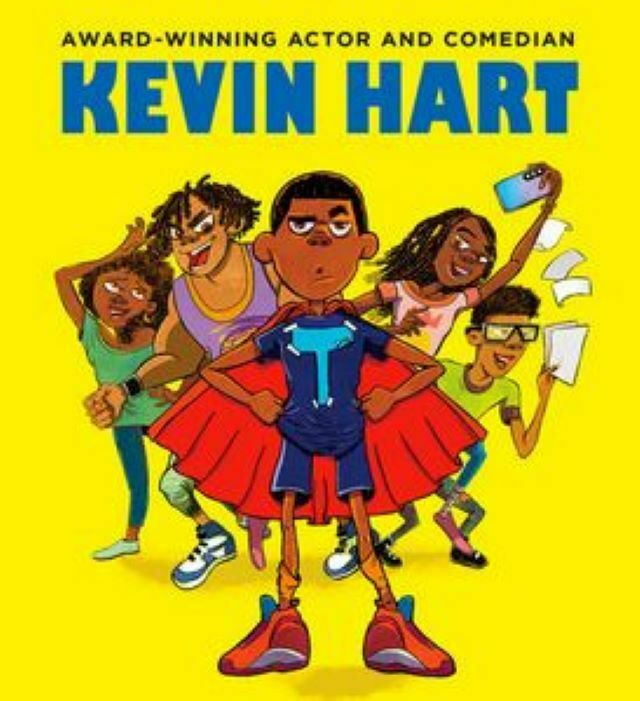
Marcus Makes a Movie by Keven Hart is a story that follows Marcus, a middle school student who dreams of becoming a filmmaker. When he is given the opportunity to create a movie project, he faces challenges involving friendships, schools and family while trying to achieve his goal. The story is funny, entertaining, and easy for students to connect with.
I think many boys would enjoy this book because Marcus is a relatable character who is creative, determined, and sometimes get himself into difficult situations. The rumor throughout the story helps keep readers engaged, and the movie making theme adds excitement. Students who enjoy technology, creativity, or working on projects may especially connect with Marcus and his experiences.
As a teacher, I appreciate books that motivated students to read while teaching a valuable lesson. The book encourages perseverance, problem solving, and self confidence. It also shows students the importance of working hard to achieve goals even when obstacles get in the way. This book will be perfect to introduce students into getting in groups and creating their own movie or play in the classroom. Allowing them to socialize, build confidence on who is taking the lead and everyone putting a piece of their ideas together and making one big masterpiece.
June 15, 2026
Week 3: Ghost by Jason Reynolds
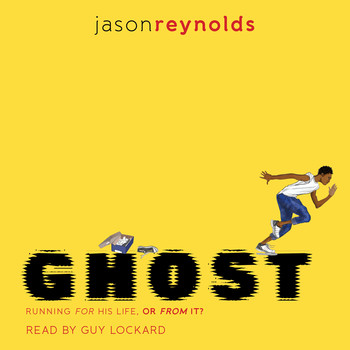
Ghost by Jason Reynolds is about Castle Cranshaw, known as Ghost, a talented rubber who joins the track team while working through challenges from his past. Throughout the story, he learns important lessons about responsibility, teamwork, and making positive choices. The fast paced plot and realistic characters make this an engaging read for young readers.
I believe boys would enjoy this book because it combines sports, competition, and personal growth. Ghost is not a perfect character, which makes him relatable and realistic. Readers see him struggle, learn from mistakes and work towrds becoming a better version of himself.
I like how this book is about track because I always get kids to run even was their coach for track meets. I appreciate how this book highlights determination, resilience, and the influence of positive role models. It provides opportunities and meaningful discussion about goal setting, overcoming diversity, and making responsible decisions. I would recommend this book because it is both engaging and inspiring for students. I think this book would be great for introducing children into track and running. As A PE coach in today’s elementary schools it is not the same as before when it comes to sports. After Covid many elementary schools in LPS took out sports teams and because of that many kids do not know about sport teams or track teams. I think this will be a great way to get them to practice a running exercise and let them know this is something you can join and do.
Week 4: Graphic Novels
June 22, 2026
Week 4: Dogman By Dav Pilkey
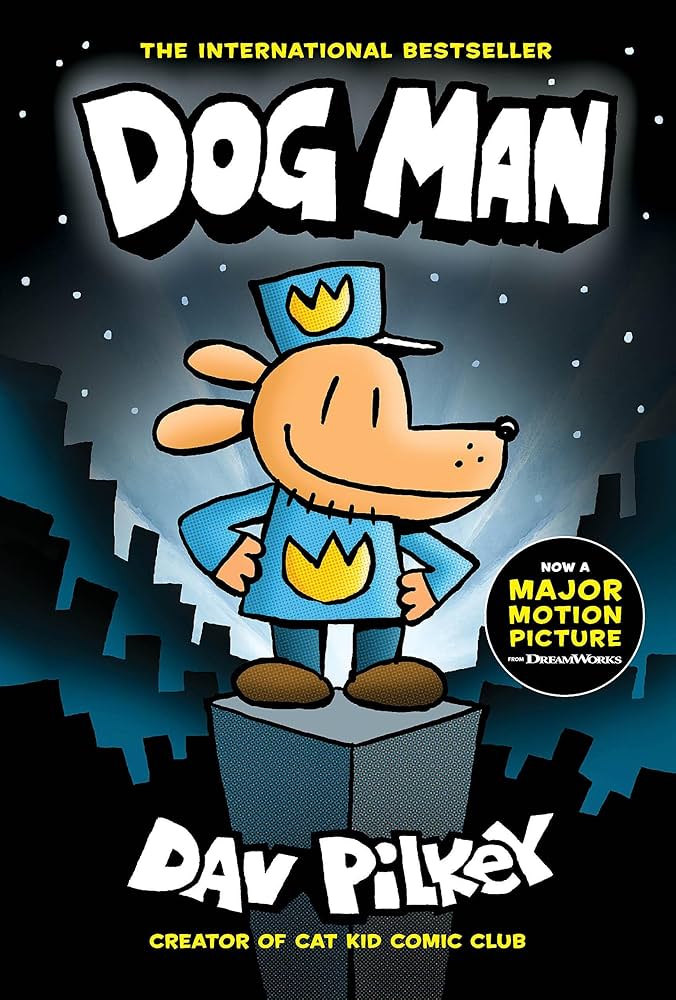
For this week’s graphic novel theme, I selected Dogman by Dav Pilkey. I love this book because I grew up reading Captain Underpants and this is the same author. This book combines humor, adventure, and illustrations in a way that immediately grabs students’ attention. The main character spends his time helping others and solving problems, which creates several opportunities to discuss character trait and decision making.
One reason I would choose this book in my classroom is because it is great for students who do not like to see just words in books. The graphic novel format helps make reading feel fun and the artwork is amazing while still requiring students to follow a story line and understand character development. I have noticed students are often more willing to pick up a graphic novel, and books likek this can help build confidence and interest in reading.
I would use this book during small group reading time or independent reading time to encourage students who do not really want to read. After reading students could discuss character traits, identify the problem and solution in the story, and explain how the illustrations help the story. I could use the book for lessons on sequencing events and even make predictions.
June 22, 2026
Week 4: American Born Chinese by Gene Luen Yang
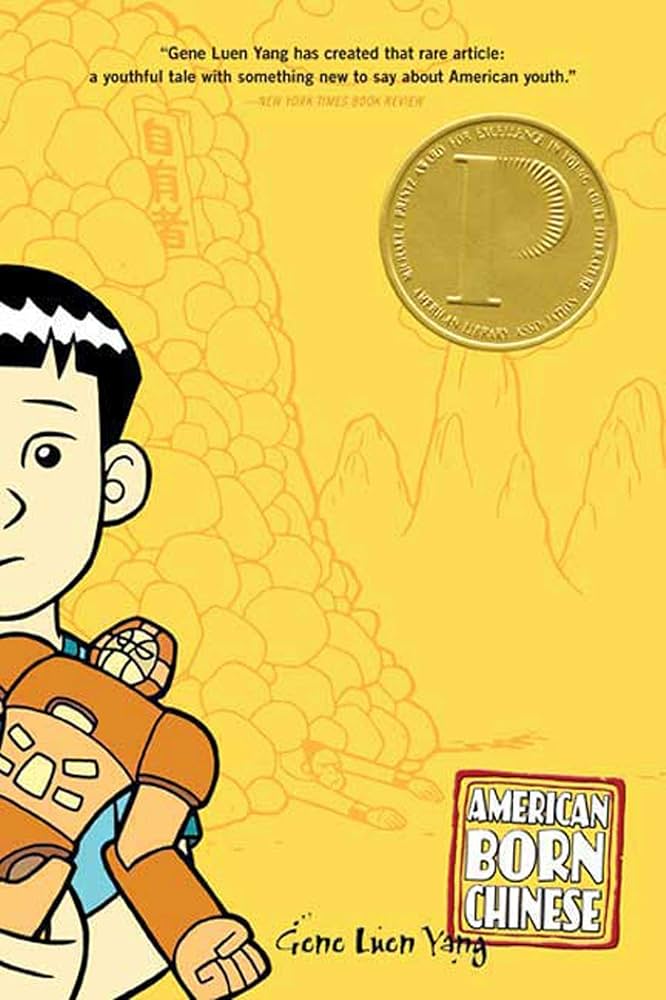
For my young adult graphic novel, I chose American Born Chinese by Gene Luen Yang. This book follows a student who is trying to understand where he fits in while dealing with challenges related to identity, firendship, and acceptance. The graphic novel format helps tell a meaningful story in a way that is engaging and easy for students to follow.
What stood out to me most about this book is how it encourages readers to think about how people see themselves and how they treat others. Many middle school students are trying to figure out who they are, which makes the themes of this book especially relevant. The illustrations add another layer to the story and help readers connect with the characters’ experiences.
I would use this book because it creates opportunities for important conversations while still keeping students interest in reading. It is a book that can help students think more deeply about acceptance, identity, and understanding people whose experiences may be different from their own.
Week 5 Native American and African American
June 30, 2026
Week 5: Fry Bread by Kevin Noble Maillard
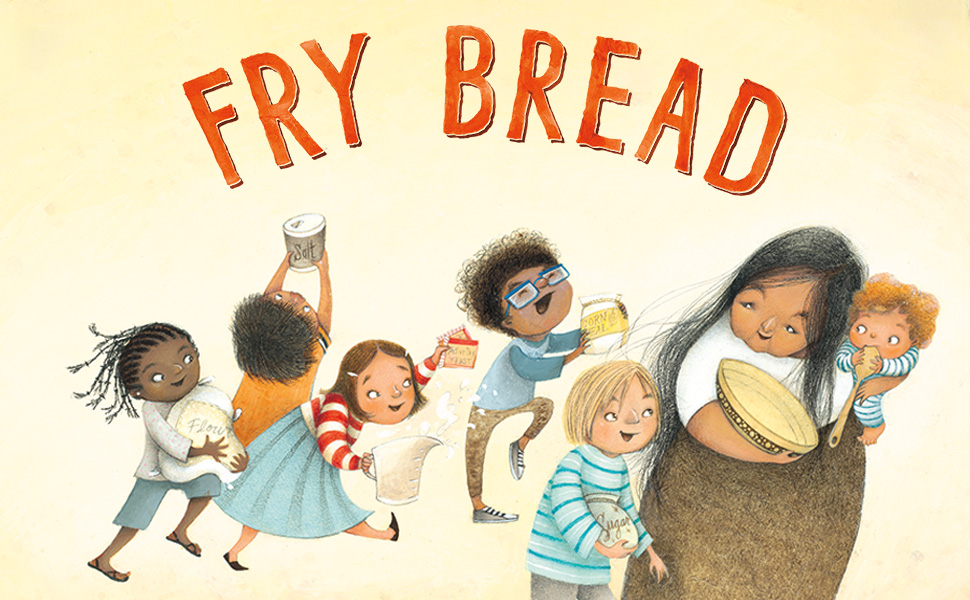
Fry Bread is a book that talks about native American culture through traditions of making and sharing fry bread. Instead of focusing on one main character, the story shows how fry bread represents family, history, resilience, and community. The colorful illustrations helps readers understand that Native American cultures are diverse while emphasizing the importance of traditions that bring families together. The author’s notes at the end of the book provides additional historical and cultural context that adds depth to the story.
What I enjoy most about this book is how it teaches Native American culture in a positive meaningful way, especially being from Lawton Oklahoma. The story reminds readers that traditions help connect families across generations and preserve cultural identity. I also appreciated that the book encourages respect for other cultures that students may not know much about. I think it opens the door for important conversations about diversity, family, and belonging.
I would use this book in an elementary school classroom during a unit on families, cultures, or Native American history. After reading, students could compare and contrast their own family with the traditions presented in the book by creating a writing or art project. We could discuss how food often tell the story of a family’s history and culture. This activity would help students build appreciation for different cultures while making personal connections.
Week 5: Dear Martin by Nic Stone
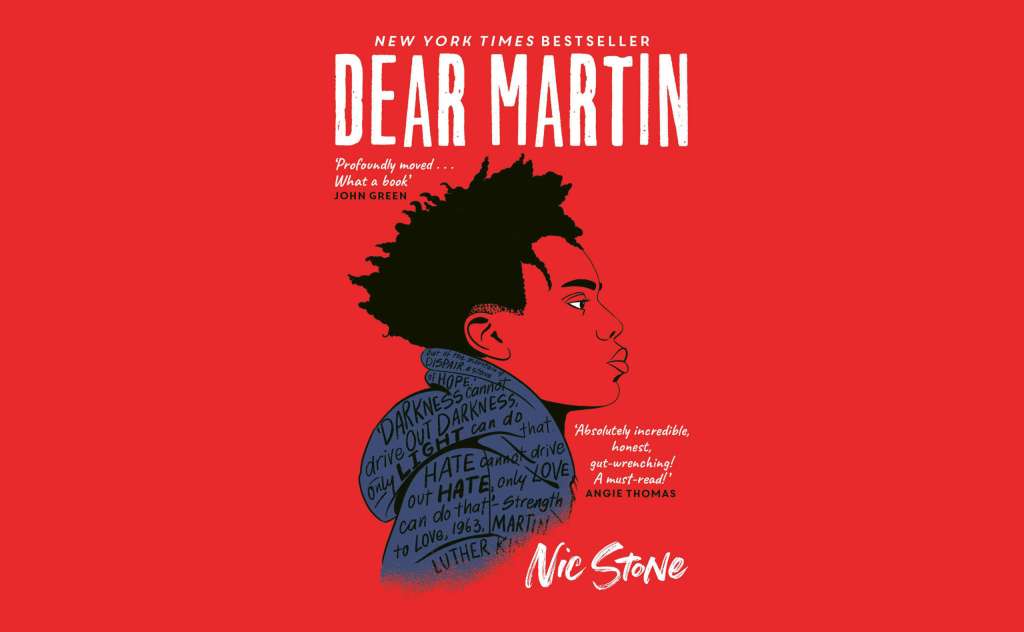
This book follows Justyce McAllister, a high achieving African American teenager whose life changes after he experiences racial profiling. As he struggles to understand the events around him, he belongs writing letters to Dr. Martin Luther King Jr. to reflect on his experiences and search for guidance. Throughout the novel, Justyce faces difficult questions about identity, justice, and how others perceive him. The story encourages readers to think critically about bias, relationships, and the importance of empathy.
This book encourages readers to look at situations from different perspectives. I liked that the author did not present simple answers but instead challenged readers to think about the experiences of others. The story also shows how important communication, respect, and understanding are when discusing difficult topics. I believe this book can help students develop empathy while strengthening their critical thinking skills.
I would use this book with older middle school or high school students because it addresses mature themes that encourages thoughtful discussion. After reading, students would participate in literature circles, analyze character development, and write reflective journal entries about the choices Justyce makes throughout the novel.
Week 6: Hispanic/Latino Historical Fictio
July 5, 2026
Week 6: Esperanza Rising by Pam Munoz Ryan
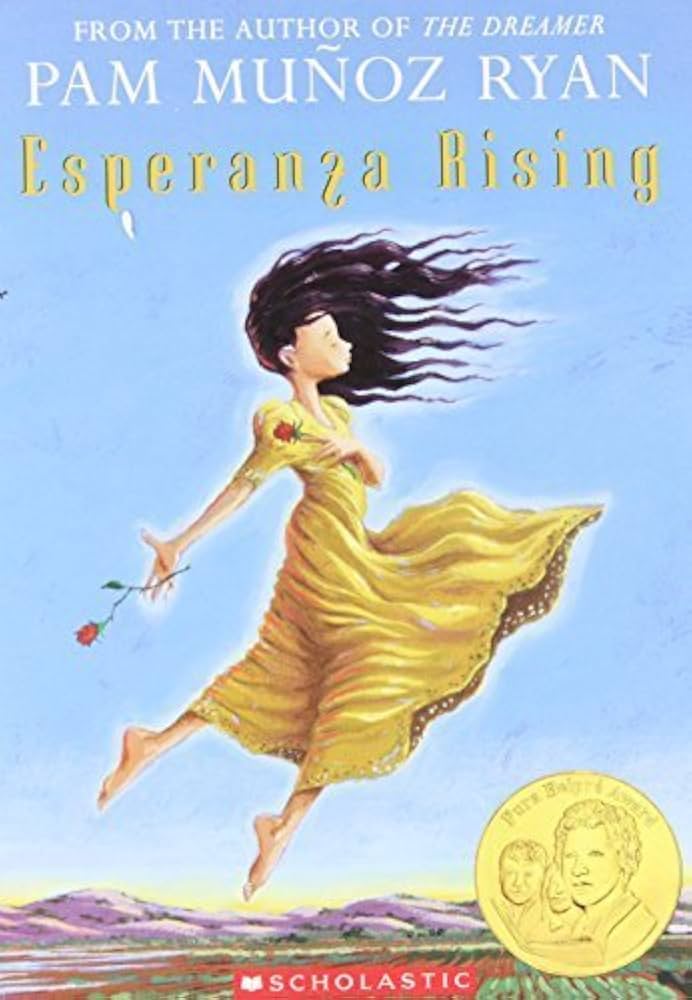
Esperanza Rising tells the story of Esperanza Ortega, A youn girl who enjoys a comfortable life on her family’s ranch in Mexico during the 1930s. Her life changes dramatically after a tragedy forces her and her mother to leave everything behind, They flee to California, where they begin to work in a migrant labor camp during the great depression. Esperanza must adjust to a completley different life filled with uncertainty and hard work.
The Novel explores themes of the family, hope, resilience, immigration, social class, and cultural identity. Ryan provides readers with an authentic historical perspective while creating relatable characters and meaningful lessons. Esperanza’s journey encourages students to think about empathy determination, and overcoming obstacles even during difficult times.
This book would be good in classrooms especially for Lawton Oklahoma because we have such a big hispanic population in our community and being that many Hispanics/Latinos families have been coming to the United States and entering out schools I feel like its really good for us to let them know we do understand and they need to know that they are not alone on what they are going through. The novel provides opportunities to discuss immigration, family, and fairness while helping students develop empathy for others whose experiences may differ from their own.
July 5, 2026
Week 6: The Poet X by Elizabeth Acevedo
This Book is about Xiomara Batista, a Dominican American teenager living in Harlem at the age of fifteen. She often feels caught between expectations of her strict religious mother, the traditions of her Dominican culture, and her own desire to express herself. As she struggles to find where she belongs, she begins writing poetry to express the thoughts and emotions she cannot easily share with others.
Many middle school and high school students can relate to Xiomara’s struggles with family expectations , friendship, and discovering who they are. The Novel is written in verse making it different from a traditional novel and easier for many reluctant readers to enjoy. Students may also connect with Xiomara’s feelings of wanting to be heard and understood while learning to express themselves in a positive way.
I would use The Poet X during a unit on identity, culture, or poetry. Students could write their own poems about an experience that helped shape who they are or discuss how culture influences personal identity. We could also analyze how poetry communicates emotions differently than traditional prose and compare Xiomara’s experiences with those of characters from other multicultural novels. This book would encourage meaningful classroom discussion while helping students develop both literacy skills and cultural awareness.
Week 7: Folklore, Myths, Legends
July 14, 2026
Week 7: The Rough-Face Girl
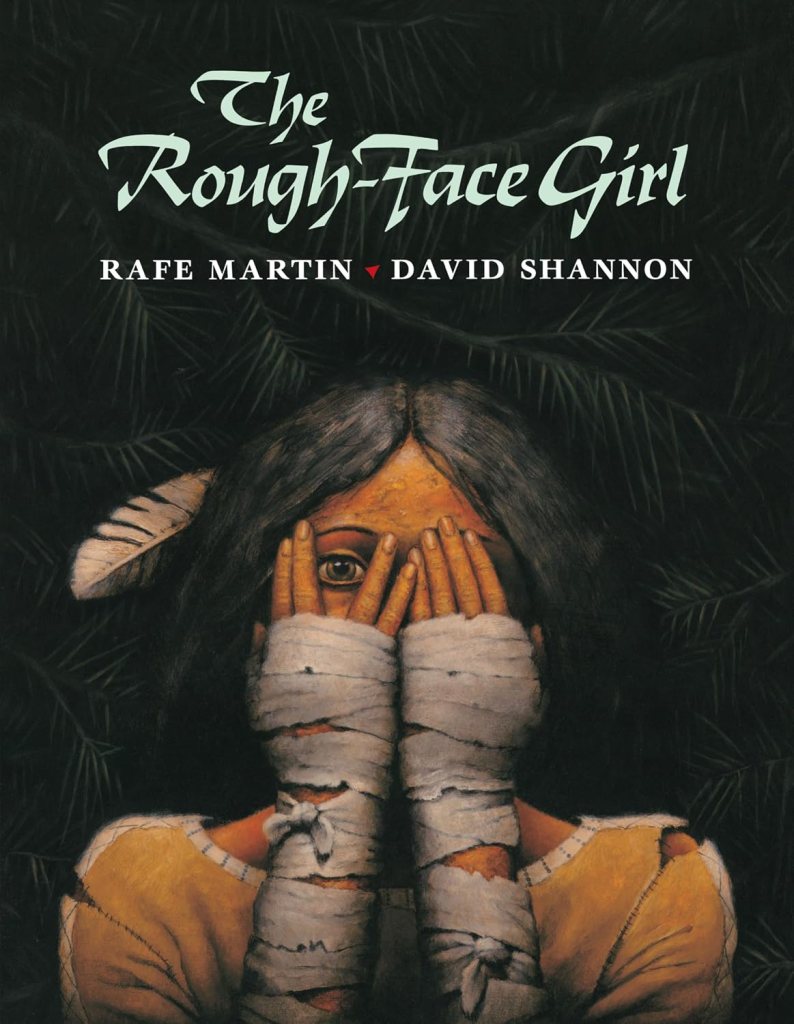
The Rough-Face Girl is a Native American retelling of the Cinderella story. Unlike the traditional version, the main character lives with two older sisters who treat her poorly because of her appearance. Despite the hardships she faces, she remains kind, honest, and courageous. She eventually proves that true beauty comes from within and earns the opportunity to marry the Invisible Being because she sees with her heart instead of her eyes.
I really enjoyed this book because it teaches students that kindness, honesty, and inner beauty are more important than physical appearance. It also introduces students to a Native American folktale, allowing them to experience a different cultural perspective while still recognizing similarities to the Cinderella story they may already know.
As an elementary teacher, I would use this book during a unit on folktales, fairy tales, or multicultural literature. Students could compare this version with the traditional Cinderella story by creating a Venn diagram. We could also discuss character traits, theme, and how different cultures tell similar stories in unique ways.
July 14, 2026
Week 7: The Lightning Thief
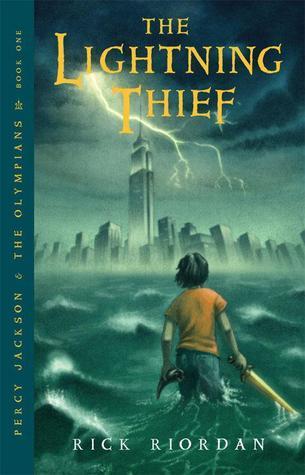
The Lightning Thief is a great amazing book that I was able to read when I was in middle school. The book follows Percy Jackson, a twelve-year-old boy who discovers he is the son of Poseidon, the Greek god of the sea. Percy is sent to Camp Half-Blood, where he learns about Greek mythology while trying to stop a war among the gods. Along the way, he faces dangerous monsters, solves mysteries, and learns more about friendship, courage, and accepting who he is.
I think this is a great book because it combines mythology with adventure in a way that keeps students interested. Even students who may not usually enjoy mythology often become engaged because of the humor, action, and relatable characters.
I would use this novel during a mythology unit or literature circle in upper elementary or middle school. Students could compare characters from Greek myths with Percy’s adventures, analyze themes, complete character studies, and research different Greek gods and goddesses.


Leave a Reply